Cord blood (umbilical cord blood) is blood that remains in the placenta and in the attached umbilical cord after childbirth. cord blood is collected because it . Cord blood is being used to get stem cells with which to test in people with type 1 diabetes mellitus. the stem cells from umbilical cord blood are also being used in the treatment of a number of blood diseases including blood cancers. cord blood is also being studied as a substitute for normal blood transfusions in the developing world.
Cord Blood Banking Acog
More cord blood stem images. Looking for stem cells from cord blood? search now! content cord blood stem updated daily for stem cells from cord blood.
Cord Blood Transplants Memorial Sloan Kettering Cancer Center
Cord Blood Stem Cell Transplantation
It is conservatively estimated that one in three individuals in the us might benefit from regenerative medicine therapy. however, the relation of embryonic stem . Cord blood contains blood-forming stem cells that can be used in the treatment of patients with blood cancers such as leukemias and lymphomas, as well as certain disorders of the blood and immune. Find stem cells from cord blood. search a wide range of info from across the web with theresultsengine. com. Umbilical cords have traditionally been viewed as disposable biological by-product. cord blood, however, is rich in multi-potent hematopoietic stem cells (hscs). recent medical advances have indicated that these stem cells found in cord blood can be used to treat the same disorders as the hematopoietic stem cells found in bone marrow and in the bloodstream but without some of the disadvantages of these types of transplants. cord blood is currently used to treat approximately 70 diseases including leukemias, lymphomas, anemias, and severe combined immunodeficiency (scid). six thousand patients worldwide have been treated with cord blood stem cell transplants, although the fda considers the procedure to be experimental. these multipotent stem cells also show promise for the treatment of a variety of diseases and disorders other than those affecting the blood.
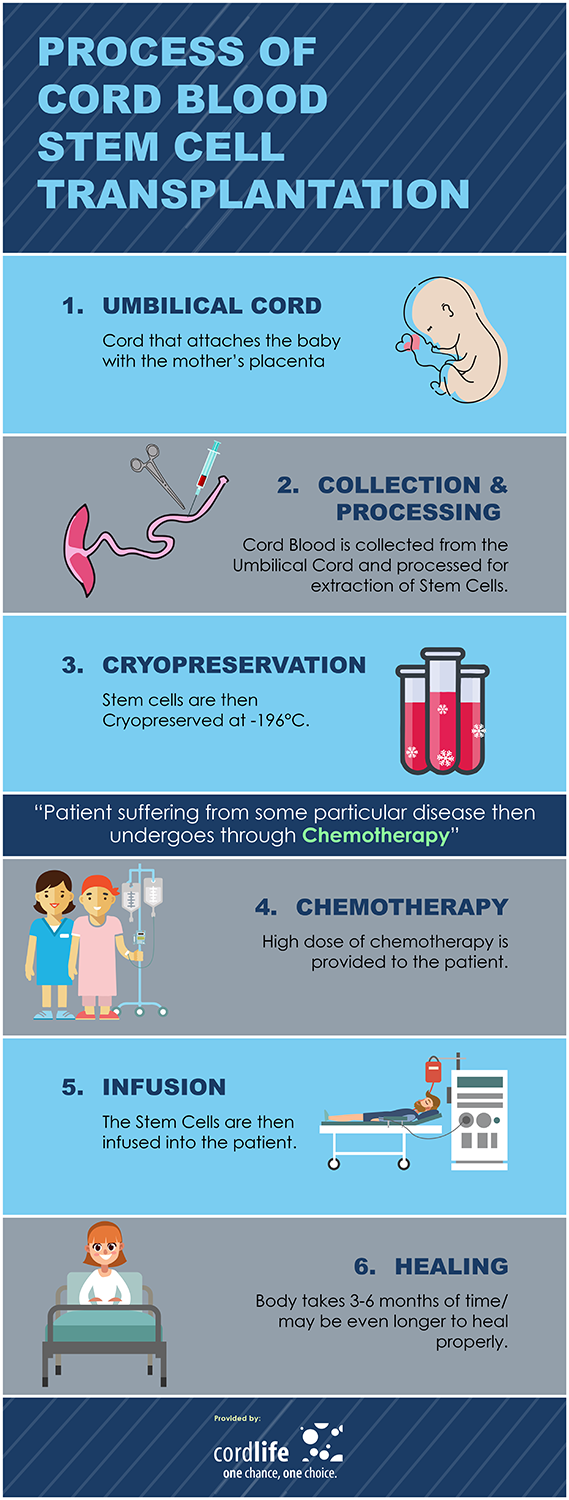

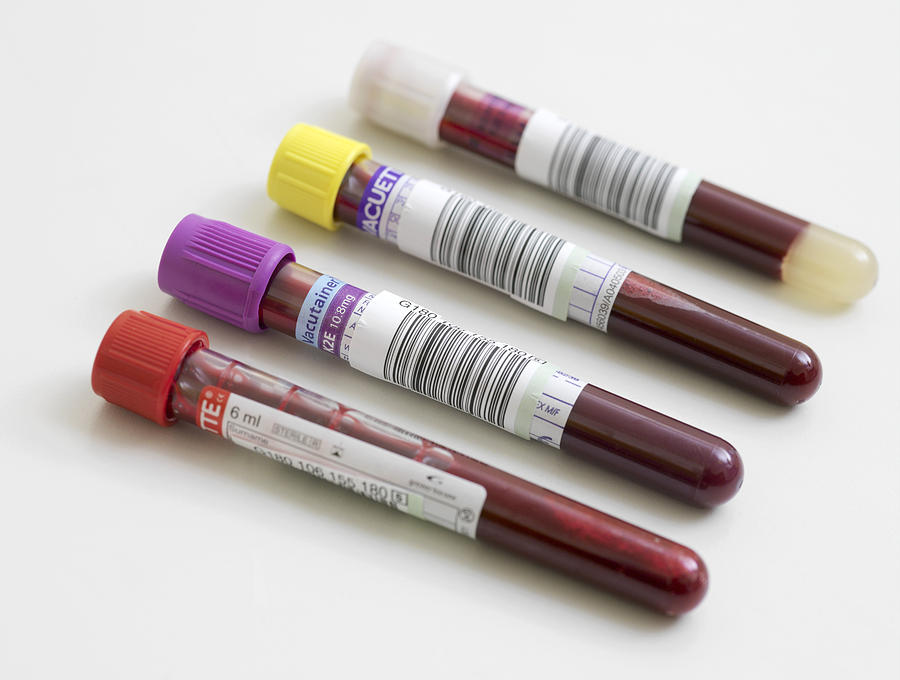
Cord Blood Stem Cell Transplantation
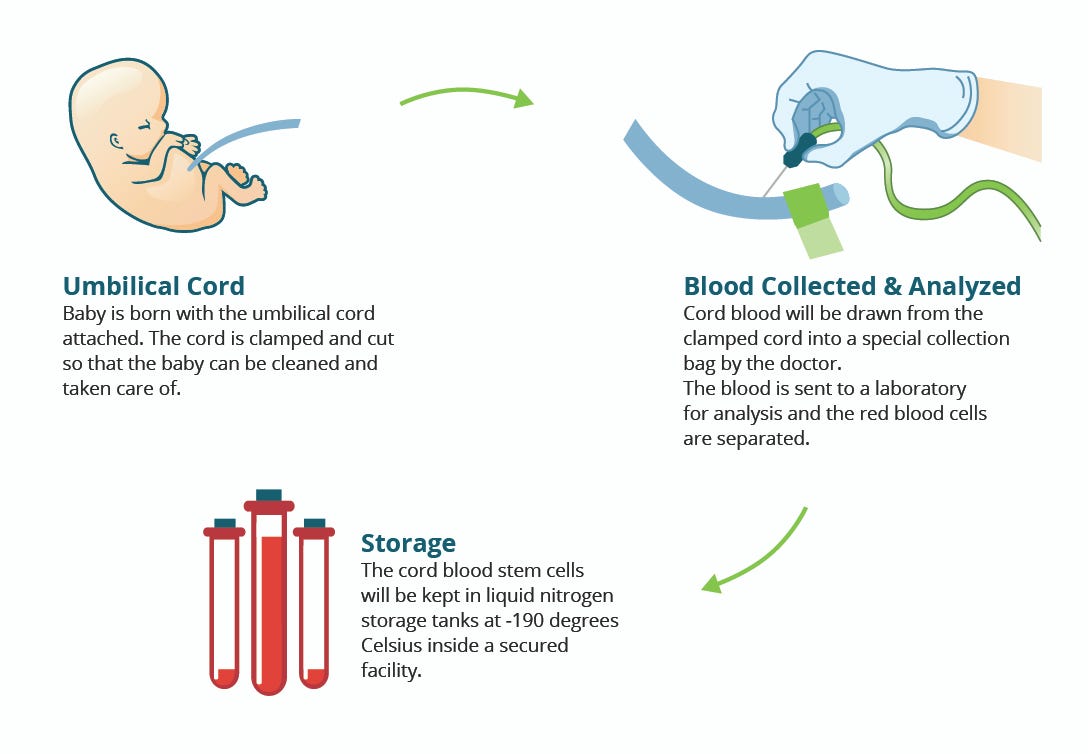
After cord blood is collected, it is frozen and can be safely stored for many years. “the method of freezing, called ‘cryopreservation,’ is very important to maintain the integrity of the cells,” wonnacott says. “cord blood needs to be stored carefully. ” you may choose to store your baby’s cord blood in a private bank so it can be available if needed in the future by your child or firstor second-degree relatives. private cord banks typically charge fees for blood collection and storage. or you may donate the cord blood to a public bank so that doctors can use for a patient who needs a hematopoietic stem cell transplant. fda regulates cord blood in different ways, depending on the source, level of processing and intended use. cord blood stored for personal use, for use in firstor second-degree relatives, and that also meets other criteria in fda’s regulations, does not require the agency’s approval before use. private cord banks must still comply with other fda requirements, incl Cord blood transplants are an option for people who need a stem cell or bone marrow transplant but do not have a matched donor. It contains powerful hematopoietic stem cells, which have a 30-year history of saving lives. there’s also exciting research on using cord blood for regenerative medicine, which aims to harness the stem cells inside to help the body heal itself. cord blood banking, also known as newborn stem cell preservation, is the process of saving the. Umbilical cord blood, like bone marrow and peripheral blood, is a rich source of stem cells for transplantation. there may be advantages for certain patients to .

Cord blood: what you need to know approved uses. cord blood is approved only for use in “hematopoietic stem cell transplantation” procedures, which are about cord blood banking. after cord blood is collected, it is frozen and can be safely stored for many years. you tips for consumers. if. Cord blood banking is a process of collecting potentially life-saving stem cells from the umbilical cord and placenta and storing them for future use. stem cells are immature cells that can assume. Dec 04, 2020 · in a cord blood transplant, stems cells are collected from umbilical cord blood. umbilical cord blood is the blood left in the umbilical cord after a baby's birth. the cord blood can be frozen and stored until it's used in a cord blood transplant. if this is an option for you, before your baby's birth, ask your doctor about how to make arrangements to donate umbilical cord blood to a cord blood bank. Up to 180 ml of blood can be taken from an umbilical cord for use in stem cell transplants. due to the experimental nature of cord blood transplants, such transplants are considered on a case-by-case basis. this blood is collected from the umbilical cord, processed,and cryogenically preserved shortly after the umbilical cord is clamped. this blood can be cryogenically preserved for public or private (family) use. public registries store cord blood donated for availability to the general public for transplantation. private registries store cord blood on behalf of families who wish to use this blood for the donor infant, siblings, or other family members. private cord blood banks charge a collection fee (ranging from $1,000-2,000) and an annual storage fee (approximately $150 per year). the stem cell therapeutic and research act was passed in 2005, which supports building a public reserve of 150,000 cord blood units from ethnically diverse donors in order to treat more than 90% of pat
If you’re considering donating to a cord blood bank, you should look into your options during your pregnancy to have enough time to decide before your baby is born. for public banking, ask whether your delivery hospital participates in a cord blood banking program. if you have questions about collection procedures and risks, or about the donation process, ask your health care provider. fda also offers a searchable databasethat maintains information on registered cord blood banks. be skeptical of claims that cord blood is a miracle cure—it is not. some parents may consider using a private bank as a form of “insurance” against future illness. but remember that, cord blood stem currently, the only approved use of cord blood is for treatment of blood-related illnesses. also know that in some cases your stored cord blood may not be suitable for use in the child who donated it. “for instance, you can’t cure some diseases or genetic defects with cord blood that contains the same disease or defect,” karand Cord blood contains stem cells. these are cells that can grow into specific kinds of cells in your body. stem cells may be used to treat some diseases, like some .
Cord blood is the blood from the baby that is left in the umbilical cord and placenta after birth. it contains special cells called hematopoietic stem cells that can be used to treat some types of diseases. Cord blood stem cells are multipotent and are believed to have greater plasticity (the ability to form into different stem cell types) than adult hematopoietic stem cells found in bone marrow. hscs are being investigated for use in autoimmune diseases such cord blood stem as diabetes, rheumatoid arthritis, and systemic lupus erythermatosis (sle) in order to.
See full list on fda. gov. Cord blood stem cells have awesome abilities. that’s why cord blood stem they’ve been used for more than thirty years to help regenerate healthy blood and immune systems worldwide. and when you preserve these powerful cells, you protect them from aging, locking in their unique advantages. join the millions of parents who are privately preserving their. See full list on fda. gov.
• cord blood stem cells are collected from the umbilical cord and placenta after a baby is born. cord and placental blood contain large numbers of blood-forming stem cells. the donated cord blood is screened, frozen and stored at a cord blood bank for future use if it meets screening requirements. the stored cord. General information: 1. www. marrow. org/help/donate_cord_blood_share_life/index. html 2. www. nationalcordbloodprogram. org/ 3. bloodcell. transplant. hrsa. gov/cord/index. html public cord blood banks: 1. www. marrow. org/help/donate_cord_blood_share_life/how_to_donate_co 2. parentsguidecordblood. org/content/usa/banklists/publicbanks_new. s private cord blood banks: 1. parentsguidecordblood. org/content/usa/banklists/listusa. shtml? nav Apr 13, 2021 however, the blood left in the umbilical cord and placenta contains blood-forming cells. (these cells are not embryonic stem cells. ).
Cord blood stem cells are classified as adult (or non-embryonic) stem cells. embryonic stem cells (esc) are believed to be more advantageous for the treatment of disease or injury due to their pluripotent nature; that is, they have the ability to differentiate into all the cells present in the human body derived from the three germ layers (endoderm, mesoderm, and ectoderm). adult stem cells are multipotent, implying that they can only differentiate into a limited number of cells typically within the same “family” (e. g. hematopoietic stem cells give rise to red blood cells, white blood cells, and platelets). in the procurement of embryonic stem cells for research, the embryo from which the cells are harvested is destroyed. for those who believe that human life begins at conception this research is obviously unethical. in contrast, adult stem cells can be isolated from tissue from a consenting patient. while cord blood stem cells are classified as adult stem cells, they appear to hav See full list on cbhd. org.
Stem cells from cord blood find stem cells from cord blood.


0 comments:
Post a Comment